Thinking about a remodel, a new pool, or building on Lido Key? If your plans are close to the beach, the Coastal Construction Control Line could shape what you can do and how long it takes. You want clarity before you invest in design, due diligence, or offers. In this guide, you’ll learn what the CCCL is, how to check if a property is affected, what projects typically need review, and how permitting works in Sarasota County. Let’s dive in.
What the CCCL is
The Coastal Construction Control Line (CCCL) is a regulatory line mapped by the Florida Department of Environmental Protection. Its purpose is to protect beaches and dunes, and to reduce future storm damage costs. If you plan work in areas with higher storm risk near the shoreline, the state may require an additional CCCL permit on top of local building approvals.
For background and official guidance, review the state’s overview on the Florida Department of Environmental Protection CCCL program.
Why it matters on Lido Key
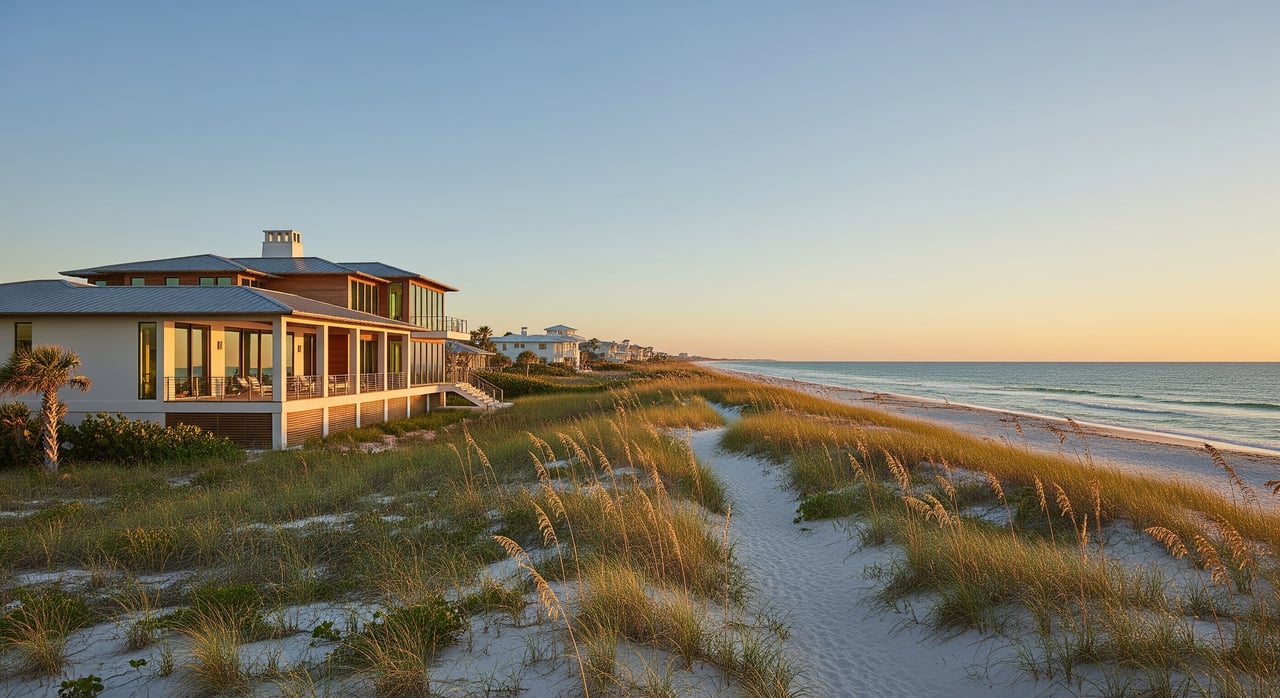
Lido Key is a barrier island with an active shoreline, dunes, and periodic beach nourishment. That dynamic setting means project plans near the beach often get extra scrutiny to protect natural systems. On many parcels, the CCCL runs landward of the dune crest, so design and placement can change even if a home appears set back from the water.
If your work is seaward of the CCCL, you should expect state review in addition to Sarasota County permits. County staff typically will not issue local coastal or building approvals until state authorization is in place.
How to check if a property is affected
Start early so you can plan budgets and timelines with confidence.
Check the state’s map viewer. Use the official CCCL maps and map viewer to see where the line falls on Lido Key and how it relates to your parcel.
Order a certified survey or site plan. Ask a licensed surveyor to show lot lines, existing structures, the CCCL location, and any visible dune features. This drawing is often required for permit applications.
Confirm county records. Contact Sarasota County Building & Development Services to learn if your parcel sits seaward or landward of the line and whether there are prior state or county coastal permits on file.
Review local maps. The County’s GIS Mapping Services can help you view parcel data and coastal layers. County staff can explain local coastal setbacks that may apply in addition to the CCCL.
Consult FDEP or a coastal specialist. A pre-application conversation with FDEP or hiring a coastal engineer familiar with Lido Key can help you set realistic design parameters.
What to expect on your survey
Your survey or site plan should clearly mark the CCCL, the footprint of existing and proposed improvements, distances to control lines, and any dune vegetation. That clarity helps the state and county evaluate your design and can reduce review time.
Projects that often need CCCL authorization
Seaward or near-seaward projects that commonly trigger review include:
- New single-family or multi-family homes near the beach.
- Additions that expand living space toward the Gulf.
- Structural changes that add square footage or alter foundations.
- Pools, decks, dune walkovers, beach access stairs, and shoreline armoring like seawalls or revetments.
- Utility connections, septic work, new fill, and major landscaping or dune work near protected features.
Routine maintenance may be exempt in some cases, but definitions are specific. Always confirm with FDEP before assuming an exemption applies.
Typical design conditions and restrictions
Expect a focus on dune preservation, minimal disturbance, and resilient construction. Common conditions include:
- Elevated or pile foundations and limits on enclosed lower levels.
- Reduced or reconfigured footprints to maintain natural beach and dune profiles.
- Mitigation if dunes or vegetation are disturbed, such as native planting plans and sand fencing.
Designers who plan for these standards from the start often save time and redesign costs.
How permitting works in Sarasota County
There are two primary tracks, and you may need both:
- State authorization. FDEP reviews projects that are seaward of, or affect, the CCCL.
- Local approvals. Sarasota County issues building permits and zoning approvals, and will generally require proof of state authorization or exemption before issuing local permits in coastal areas.
A typical sequence looks like this:
- Pre-application consultation with FDEP and the County.
- Prepare engineering drawings, surveys, and dune or vegetation plans.
- Submit a CCCL application to FDEP with required plans and notices.
- Respond to reviewer comments and finalize state authorization.
- Apply for county building permits using the final state authorization.
For county-specific questions, start with Sarasota County Building & Development Services.
Timelines, fees, and expectations
Review times vary. Simple matters may take a few weeks, while complex shoreline work can take several months. You should budget for survey, engineering, and permit preparation fees in addition to state and county permit fees. Exact amounts depend on project scope, so confirm with FDEP and the County.
Variances and emergency repairs
FDEP may consider variances or emergency authorizations in special cases such as post-storm repairs. These are case-by-case and usually require prompt documentation and follow-up mitigation.
CCCL vs flood zones: key differences
CCCL jurisdiction is separate from FEMA flood maps. Your property can be outside or inside the CCCL and still sit in a V or AE flood zone that triggers elevation and foundation standards. Plan to meet both sets of rules. To check flood zones and base flood elevations, use the FEMA Flood Map Service Center.
A simple way to picture the lines
Use this mental model when looking at survey or map data. Exact placement varies by parcel.
- Gulf of Mexico waterline
- Beach area from low to high tide
- Dune or vegetated dune area
- Mean High Water line labeled on survey
- CCCL labeled landward or near dunes
- Property line and structure location with measured distances
When a design sits seaward of the CCCL, expect higher scrutiny and additional state permitting.
Buyer and seller playbook
If you are buying on Lido Key:
- Review the CCCL map viewer for the property location.
- Order a survey that shows the CCCL and any proposed improvements if you plan changes.
- Ask Sarasota County if prior state or county coastal permits exist on the parcel.
- Build realistic contingencies into your contract for permits and timelines.
If you are selling near the beach:
- Gather recent surveys and any FDEP or county permits to share with qualified buyers.
- Disclose known CCCL constraints so buyers can plan design and timing.
- Consider commissioning an updated survey if the last one predates major shoreline changes.
When to bring in experts
You can streamline approvals by hiring specialists early:
- A coastal engineer to design resilient, compliant structures.
- A surveyor experienced with coastal control lines and mean high water references.
- A permitting consultant or attorney familiar with FDEP and Sarasota County coastal processes.
A team that understands Lido Key conditions can reduce redesigns and help you present a complete application package on the first submittal.
Keep your information current
CCCL maps and local ordinances can change with beach nourishment, re-surveys, or policy updates. Before you submit offers or final plans, verify the latest maps and requirements with FDEP and Sarasota County.
Ready to plan with confidence
Whether you are evaluating a beachfront condo, an island estate, or a pool addition, knowing how the CCCL works will help you protect value and time. If you want a clear path from concept to closing, let’s talk about your goals and timeline on Lido Key. For discreet, expert guidance, connect with Debra Lichter to Schedule a Private Consultation.
FAQs
What is the Coastal Construction Control Line on Lido Key?
- It is a state-mapped line identifying higher-risk shoreline areas where Florida requires added review to protect beaches and dunes, often requiring a CCCL permit for work near the beach.
How do I check if my Lido Key property crosses the CCCL?
- Use the FDEP CCCL maps and map viewer, order a survey showing the line, and confirm with Sarasota County records.
Which projects near the beach usually need state review?
- New homes, additions toward the Gulf, pools, decks, dune walkovers, seawalls or revetments, and utility or fill work near the CCCL commonly require FDEP authorization.
Does being landward of the CCCL mean I can build freely?
- Being landward reduces the likelihood of state CCCL review, but county setbacks, dune protections, and building codes still apply, so always confirm with Sarasota County.
How long can CCCL permitting take for a remodel or pool?
- Simple cases can resolve in weeks, while larger or more complex shoreline projects may take several months, depending on design, site conditions, and review needs.
How is the CCCL different from FEMA flood zones on Lido Key?
- CCCL is a state coastal protection line, while FEMA maps flood risk; you may need to meet both CCCL requirements and floodplain building standards for the same project.