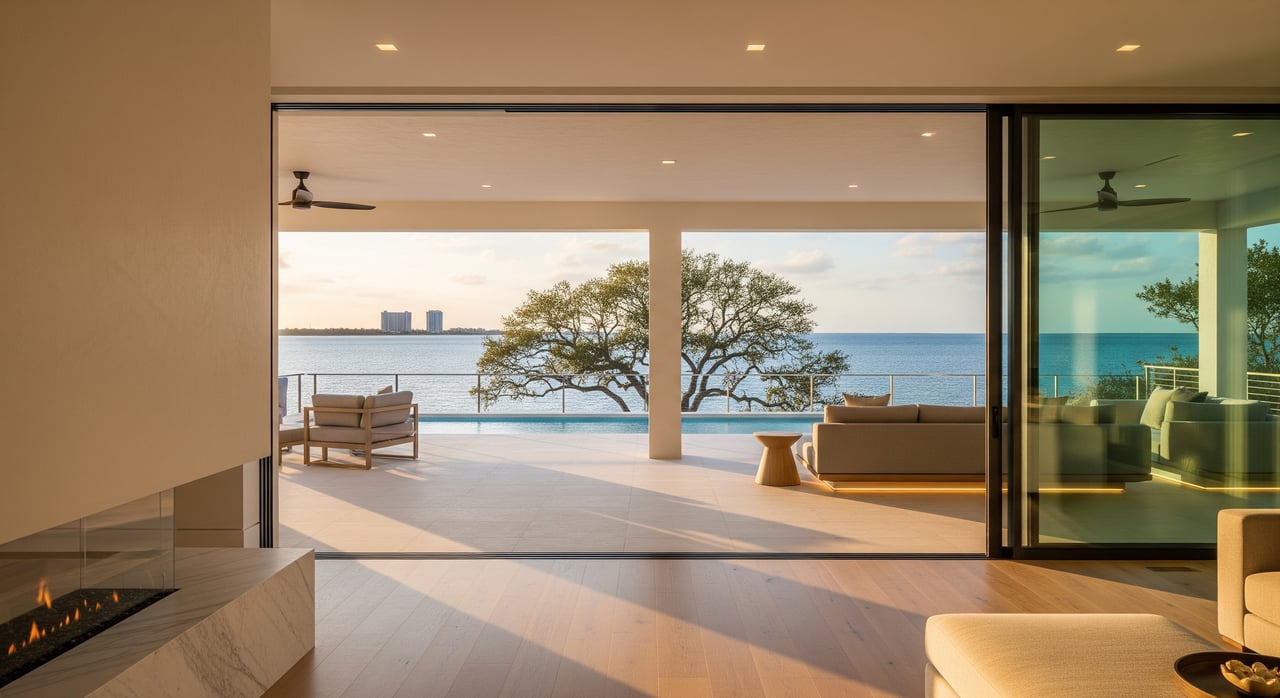
Trying to choose between a shiny new Lido Key condo and a beautifully located resale? The right answer is more than price. On a Sarasota barrier island, resilience, reserves, insurance, and timing all shape your experience and total cost of ownership. In this guide, you’ll compare the tradeoffs, see what to verify, and learn how to make a confident decision for Lido Key.
Let’s dive in.
Quick snapshot: new vs resale on Lido Key
- If you value the lowest near-term maintenance and modern hurricane features, new construction typically fits better.
- If you want a lower entry price, potential negotiation, and immediate occupancy, resale often wins.
- If you want documented reserve health to reduce the risk of special assessments, a well-managed resale with strong reserves is a good match.
- If you want custom finishes and fresh systems under warranty, new construction offers the most choice.
- If you need to move within weeks or a few months, resale usually provides the fastest path to close.
- If favorable wind mitigation and long-term durability matter most, new construction built to current code can be an advantage.
Total cost of ownership
Purchase price and fees
New builds on Lido Key often command higher per-square-foot prices due to land costs, developer margins, and modern finishes. Resale condos can offer lower prices or room for negotiation depending on the market. Association fees in new projects start from projected budgets, while resales have historical expenses that show what costs actually look like over time.
Utilities and efficiency
New buildings tend to include modern HVAC, impact-rated windows, and efficient systems that can lower utility bills. Resale units may have older equipment. If you compare two options, factor in potential upgrades for older systems alongside your purchase price.
What to verify
- Current association operating budget and the last 2–3 years of income and expense statements
- A current reserve study or balance sheet
- Projected monthly fees for new phases versus actual fees in comparable resales
- Unit tax assessment and recent tax bills from the county property appraiser
- Historical utility consumption for resale units and builder specifications for new-unit energy performance
Reserves and special assessments
Why reserves matter on a barrier island
Salt air accelerates wear on exterior concrete, metalwork, balconies, pool decks, and seawalls. Major capital projects like concrete repairs, re-piping, elevator replacements, and waterproofing can lead to special assessments if reserves are thin.
Patterns to expect
Older resale associations with underfunded reserves are more likely to propose assessments. Well-run resales with documented maintenance histories give you a clearer picture of risk. New buildings often start with smaller reserves or developer-funded amounts, and future capital needs may be years away. Latent construction issues can still surface, so it is important to see the developer’s reserve plan.
What to request and review
- The most recent reserve study, including which components are covered and replacement timelines
- Current reserve balance, ideally shown as a dollar amount and percent funded relative to the study
- Minutes from association meetings for the past 12–24 months to spot planned projects and assessment discussions
- Records of special assessments over the past 5–10 years and their status
- For new projects, written details on any initial reserve funding and any known deferred items
Building code and storm resilience
New-build advantages
New construction is designed to the Florida Building Code in effect at permit issuance. That means higher design wind loads, impact-resistant glazing, stronger connections, and improved building envelope details. These features can reduce wind-related damage risk and may support more favorable insurance terms.
Resale considerations
Older buildings may lack impact glazing or have older rooftop equipment and waterproofing details. That can raise the risk of wind-driven rain and water intrusion, especially in a coastal environment. You will want to confirm retrofits and any recent engineering evaluations.
Coastal factors on Lido Key
Elevation and FEMA flood zone designations such as VE, AE, or X affect flood insurance requirements and premiums. Proximity to the Gulf and the condition of dunes or seawalls influence storm surge vulnerability. Corrosion mitigation, like stainless treatments, waterproofing membranes, and concrete protection on balconies and pool decks, can make a meaningful difference over time.
What to ask for
- Building permit history and as-built plans that indicate the code cycle and design wind loads
- Evidence of impact-rated windows and doors with manufacturer specifications
- Engineering or structural reports, especially for older buildings or where deterioration is visible
- FEMA elevation certificates and base flood elevation details
- Documentation of any hurricane retrofits and materials used
Insurance and financing implications
What drives premiums
Insurers assess age and condition, wind mitigation features, claims history, flood zone, and the financial health of the association. Lenders and financing programs can also require certain insurance standards for condo projects.
New vs resale insurance profile
New buildings that meet current codes often attract more competitive wind coverage. Older waterfront buildings with deferred maintenance can face higher premiums, limited wind coverage, or reliance on state-backed options. Flood insurance is largely driven by flood zone and elevation for both new and resale.
What to obtain
- The association’s master insurance policy, including coverage limits and wind or hurricane deductibles
- The association’s claims history
- Sample unit-level HO-6 and flood quotes from local brokers to estimate your cost
- For new builds, any disclosed insurer interest or pre-negotiated master policy terms
Finishes, warranties, and move-in readiness
New construction choices
With new construction, you can often select finish packages, appliances, cabinetry, and sometimes layout tweaks, subject to allowances. Upgrades can add cost and may extend timelines. Builders typically offer warranties for workmanship and major systems, but scope and length vary. Ask for warranty documents in writing.
Resale realities
Resales offer immediate occupancy and a chance to inspect the exact unit you will own. Finish levels reflect prior owner choices. Renovations can unlock value, but coastal-grade materials and contractor lead times can add cost. Review records for roof, HVAC, window, and balcony work to understand remaining life.
What to confirm
- For new builds: sample finish packages, change-order rules, allowances, timelines, and warranty terms
- For resales: condition reports, receipts for upgrades, ages of appliances and systems, and dates for roof or AC replacements
Timeline and contractual risk
New-build delivery
Construction schedules can shift due to permitting, materials, labor, or weather. Contracts often include liquidated damages or extension clauses, along with deposit and escrow rules. Confirm the path to a final certificate of occupancy and how association control will transition from the developer to owners.
Resale timelines
Resale closings follow a more predictable path with standard inspection, appraisal, financing, and title steps. Once underwriting and title are clear, possession can be relatively fast.
Contract checkpoints
- For new builds: purchase contract, deposit handling, refund and escrow protections, stated delivery date and remedies for delay, occupancy rights before closing, and warranty terms
- For resales: seller disclosures, inspection periods, title search, and any association liens or pending litigation
Due diligence checklist
Use this list for either path:
- Association documents: declaration, bylaws, rules, current budget, recent financials, and reserve study
- Reserve health: current reserve balance and percent funded relative to the study
- Governance: minutes from the last 12–24 months and any assessment notices
- Insurance: master policy, hurricane deductibles, and prior claims history
- Building records: as-built plans, permit history, structural reports, window and door certifications, HVAC and roof records, elevator maintenance logs
- Coastal risk: FEMA flood zone and elevation certificate, seawall condition and ownership, and dune management plans where applicable
- For new builds: purchase contract timelines, remedies, warranty details, finishes list, escrow terms, and developer track record
- Title and legal: title report and any pending litigation or liens involving the association or developer
Professionals to consult
- A Florida condominium attorney for document and contract review
- A structural or coastal engineer for older buildings or to review engineering reports
- A CPA or condominium financial advisor to assess reserves and budgets
- A local insurance broker experienced with coastal condo coverage for master and HO-6/flood quotes
- A lender familiar with condominium project approvals if you are financing
- A local real estate broker with Lido Key expertise for comps and negotiation norms
How to choose with confidence
- Define your top priority. Is it move-in speed, lower entry price, storm resilience, or minimizing assessment risk?
- Compare total monthly cost. Add HOA fees, insurance, flood, taxes, and utilities. Do not focus on price alone.
- Test reserve strength. Review the study, percent funded, and board minutes for upcoming projects.
- Check building resilience. Confirm impact glazing, permit history, elevation, and recent engineering.
- Model timing risk. For new builds, understand delivery clauses and deposit protections. For resales, map your closing milestones.
- Align finishes and warranties. Decide if you want new, customizable finishes with builder warranties or a proven unit with documented upgrades.
When you have two finalists, put them through the same checklist and compare line by line. A clear, evidence-based view makes the decision straightforward.
Ready to evaluate specific Lido Key condos with a seasoned, boutique advocate by your side? Schedule a Private Consultation with Debra Lichter to review options, documents, and next steps with confidence.
FAQs
Are new Lido Key condos safer in hurricanes than older ones?
- New condos built to current Florida Building Code include higher wind-load design and impact glazing that reduce risk, but elevation, construction quality, and ongoing maintenance also matter.
Which Lido Key condos are more likely to face special assessments?
- Older associations with underfunded reserves and deferred maintenance carry higher historical risk, though new buildings can also assess later if reserves start small or latent defects arise.
How do insurance costs typically compare for Lido Key condos?
- New, code-compliant buildings often see more favorable wind coverage; flood premiums are driven mainly by FEMA flood zone and elevation for both new and resale.
What warranties do buyers of new Lido Key condos usually receive?
- Builders commonly provide workmanship and systems coverage, with details and durations that vary. Always review the warranty documents and claim process in writing.
How can new-construction delivery delays affect my move-in timeline?
- Delays from permitting, materials, labor, or weather are common. Your contract should outline delivery dates, extensions, remedies, and deposit protections.
How does developer control of a new Lido Key condo association affect owners?
- Developers often manage the association at first, guiding budgets and amenity timing. Review turnover provisions and when owners gain control.