Scrolling condo listings and wondering what “private foyer elevator” or “deeded slip” really means? If you are exploring Downtown Sarasota or Golden Gate Point, the amenity mix can shape your daily life and your budget. In this guide, you will decode common amenity terms, see how they typically show up locally, and learn how to verify each one before you write an offer. Let’s dive in.
Amenity glossary
Concierge and front desk
A concierge or staffed front desk greets guests, accepts packages, coordinates deliveries, and can add a layer of security. Some buildings offer limited hours, while others have 24-hour coverage. Full-service staffing usually correlates with higher monthly HOA fees, so confirm hours, duties, and whether staffing is a contracted service billed through the HOA.
- What to look for in listings: “concierge,” “doorman,” “24-hour staff,” “front desk,” “full-service building.”
- Key questions to ask: Hours of coverage, scope of services, and how staffing appears in the annual budget.
Private elevators
Private or semi-private elevators open into a unit’s foyer or a small shared landing. This feature adds privacy, security, and makes moves easier. Ask whether the elevator is exclusive to your stack or shared, how guest access works, and who maintains the system.
- What to look for: “private elevator,” “private foyer,” “direct elevator access.”
- Cost notes: Maintenance, inspections, and major repairs are typically covered through HOA reserves.
Marina slips and docks
On-site boat slips can be deeded with a unit or assigned by the association. Deeded slips generally enhance value and may carry added upkeep responsibilities. With assigned slips, there can be waiting lists, size limits, and separate fees.
- What to look for: “deeded slip,” “assigned wet slip,” “private dock,” “lift,” “fits X’ boat.”
- Key questions: Deeded vs. assigned, boat length and depth limits, use restrictions, fees, insurance, and hurricane procedures.
EV charging
EV features range from shared stations to dedicated Level 2 chargers or simply “EV-ready” conduit. Installations often require board approval and adequate electrical capacity. Clarify who pays for electricity and how metering works.
- What to look for: “EV charging,” “EV-ready,” “shared EV station,” “prewired.”
- Key questions: Dedicated vs. shared charger, approval process, installation costs, and metering on master or individual service.
Fitness, spa, and pool
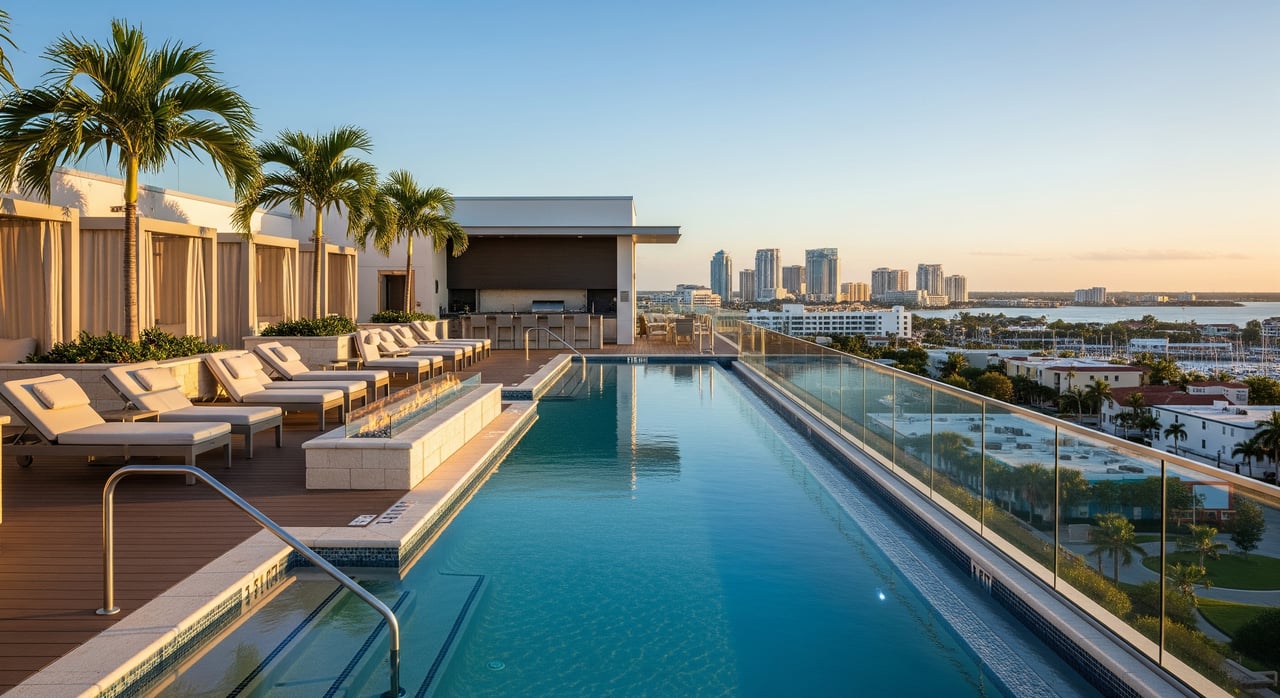
On-site gyms, studios, saunas, steam rooms, and pools bring wellness to your doorstep. The level of equipment and staffing varies widely. Ask about hours, reservations, and whether classes or spa services are included or third-party operated.
- What to look for: “fitness center,” “wellness suite,” “heated pool,” “spa,” “yoga studio.”
- Cost notes: Equipment, staffing, and renovations appear in operating budgets and reserves.
Pet facilities and policies
Dog runs and grooming rooms are popular, but condo rules govern pet size, number, and behavior. Always review the recorded rules and any fees or deposits for pets.
- What to look for: “pet-friendly,” “dog run,” “pet wash station,” “no weight limit,” or “no pets.”
- Key questions: Size and number limits, guest pet rules, and enforcement policies.
Parking and garages
Assigned, covered, or deeded parking is a major benefit in the downtown core. Some buildings include gated access, private garages, or valet. Confirm guest parking availability and whether outlets are present for EV charging.
- What to look for: “covered parking,” “two deeded spaces,” “private garage,” “gated parking,” “tandem.”
- Cost notes: Deeded garages and secured systems often impact reserve planning and HOA fees.
Storage options
Dedicated storage lockers and climate-controlled storage rooms help downsizers manage belongings. Luxury buildings may offer wine storage.
- What to look for: “private storage,” “storage locker,” “storage room,” “wine storage.”
- Key questions: Size, location, access hours, and whether storage conveys with the deed or is leased.
Guest suites
Guest suites let you host visitors without needing an extra bedroom. They are usually booked by owners for short stays and come with set cleaning fees and rules.
- What to look for: “guest suite,” “owner guest accommodations.”
- Key questions: Booking windows, nightly rates, cleaning fees, and stay limits.
Clubrooms and business centers
Clubrooms, catering kitchens, and meeting spaces support private events and remote work. There may be reservation procedures and deposits for damage.
- What to look for: “clubroom,” “party room,” “private dining,” “business center.”
- Key questions: Reservation rules, catering policies, alcohol rules, and deposit schedules.
Security and access
Gated entries, cameras, key fob systems, visitor intercoms, and elevator access controls protect privacy and manage guests. Confirm how visitor access and deliveries are handled and whether cameras are monitored.
- What to look for: “gated,” “key fob,” “24-hour security,” “surveillance.”
- Key questions: Coverage, policies for data access, and integration with concierge.
Rental policies
Rules vary on minimum lease terms, owner-occupancy requirements, and limits on short-term rentals. Policies affect income potential and community stability.
- What to look for: “min rental term,” “no rentals first X years,” “short-term rentals allowed/prohibited.”
- Key questions: Minimum lease length, registration steps, caps on rented units, and any black-out dates.
Downtown and Golden Gate patterns
In the downtown core, you typically trade private yards for services and convenience. Buyers here often prioritize a staffed front desk, secure covered parking, well-equipped fitness areas, and guest accommodations for visiting friends and family. Strong walkability to theaters, restaurants, and the bay adds to the appeal.
On Golden Gate Point, the bayfront setting drives interest in marina slips, waterview terraces, and private elevator foyers. Buildings in this peninsula setting may carry higher HOA costs when docks, seawalls, and waterfront insurance are part of the budget. It is common to see marketing that highlights hurricane protection features and panoramic bay views.
As a general pattern, buildings closer to the water show more marine-related amenities and may have higher operating costs for dock and seawall upkeep. Always compare amenities against the budget and reserve study to understand fee impacts.
Verify amenities with confidence
Marketing is a starting point. Verification protects your purchase and helps you avoid surprises.
- MLS details: Good for quick scanning, but often incomplete. Cross-check all key amenities.
- Condo documents: Request the Declaration, Bylaws, Rules and Regulations, current Budget, and Reserve Study. These confirm pet limits, rental terms, and which features are deeded to the unit.
- Property records: Use county parcel records to verify whether a slip or parking space is deeded with the unit or recorded separately.
- Permits and compliance: For docks, lifts, dredging, and seawalls, confirm permits through local offices. This helps validate capacity, legality, and maintenance history.
- HOA minutes: Meeting minutes reveal planned assessments, elevator repairs, seawall projects, and amenity upgrades.
- Site visit: Walk the amenities. Look at pool finishes, gym equipment age, elevator service postings, and dock numbering.
- Insurance review: Ask for the master policy, flood coverage details, premiums, and deductibles, especially for waterfront buildings.
- EV policy: Confirm written EV installation rules and electrical capacity. Consult association counsel when needed.
Local mini case studies
Golden Gate Point waterfront
You see “deeded slip, fits 35’ boat, lift installed” in the remarks. You love the location and the views. Before you celebrate, verify whether the slip is truly deeded to the unit, check boat-size and draft limits, review hurricane and seasonal use policies, and confirm lift permits and maintenance responsibilities. Ask for evidence in the recorded documents and current budget.
- How to verify: Pull the condo documents, check parcel and deed records for the slip, review HOA minutes for seawall or dredging work, and confirm any lift permits.
Downtown high-rise luxury
A listing reads “full-service building with 24-hour concierge, private foyer elevator, and valet parking.” This setup suggests strong convenience and privacy. It may also mean higher monthly fees due to staffing, insurance, and elevator service. Review the operating budget for staffing contracts and understand how valet and guest parking are managed.
- How to verify: Match marketing language to the Rules and Regulations, inspect the front desk coverage on a site visit, and review elevator maintenance schedules in HOA materials.
Boutique mid-rise living
You find a smaller, well-kept building advertising “pet-friendly, guest suite, and flexible 60-day minimum rentals.” Policies like these can be ideal if you host visitors and want some rental versatility. Still, confirm pet size and number limits, guest suite fees, and whether rental caps or owner-occupancy ratios apply.
- How to verify: Read the recorded Rules, check booking procedures for the guest suite, and review rental registration requirements.
Buyer checklist
Use this quick list during showings and early due diligence.
- Ask for the condo Declaration, Bylaws, and Rules before you make an offer.
- Confirm which features are deeded to the unit: parking spaces, storage, and any boat slip.
- Request the latest HOA budget, reserve study, insurance certificates, and recent meeting minutes.
- Inspect amenity condition in person and ask about the last renovation dates and service contracts.
- For waterfront buildings, ask about seawall age, dredging history, and boat-size or lift limits.
- For EV needs, confirm electrical capacity, metering, and the approval process for a charger.
- Clarify what your monthly fee covers, including utilities and any separate amenity fees.
- Document any rental, pet, or guest suite rules that affect your lifestyle or plans.
Next steps
Amenities can make or break the fit between a building and your lifestyle. By translating listing language, checking documents, and walking the property, you protect your budget and set clear expectations. If you want help matching your wish list to the right buildings in Downtown Sarasota or Golden Gate Point, schedule a conversation and bring your questions.
When you are ready, connect with Debra Lichter for a private, guided search and expert representation.
FAQs
What does a deeded boat slip mean for a Downtown Sarasota condo?
- It means the slip is legally tied to your unit and transfers with your deed, often adding value and specific maintenance and insurance responsibilities.
How do HOA fees relate to full-service downtown buildings?
- Buildings with 24-hour staff, valet, and extensive amenities tend to have higher monthly fees due to recurring staffing and operating costs.
Can I install an EV charger in a Golden Gate Point condo garage?
- Often yes, with board approval and adequate electrical capacity; confirm the written EV policy, metering, and installation requirements before proceeding.
What pet rules are common in Downtown Sarasota condos?
- Many buildings allow pets with size or number limits and behavior rules; always review the recorded Rules for exact limits and any fees.
Are short-term rentals allowed in Downtown Sarasota condominiums?
- Policies vary by building, from strict minimum lease terms to more flexible rental allowances; verify the minimum rental period and any caps in the condo documents.