Are you deciding between the privacy of a house and the convenience of a condo on Siesta Key? It is a common question, and on this barrier island, the answer goes beyond style or square footage. Your choice affects maintenance, insurance planning, storm preparation, and how hands-on you want to be with the property. If you understand those tradeoffs early, you can buy with more confidence. Let’s dive in.
Why Siesta Key Changes the Decision
Siesta Key is an 8-mile barrier island in Sarasota County, and that coastal setting shapes how you should compare single-family homes and condos. This is not just a lifestyle decision about beach access or views. It is also a practical decision about ownership responsibilities in a location where flooding, evacuation planning, and weather exposure matter.
Sarasota County’s free 77 Siesta Islander trolley connects Siesta Key Village, Siesta Beach, South Village, Turtle Beach, and downtown Sarasota. That helps make island living more connected and convenient. At the same time, Sarasota County notes that evacuation notices apply to the identified evacuation level, and bridges and barrier islands may be closed when conditions worsen.
In simple terms, buying on Siesta Key means thinking about how much responsibility you want to manage yourself. A single-family home typically keeps more of that responsibility with you. A condo often shifts more of it to the association.
Single-Family Homes on Siesta Key
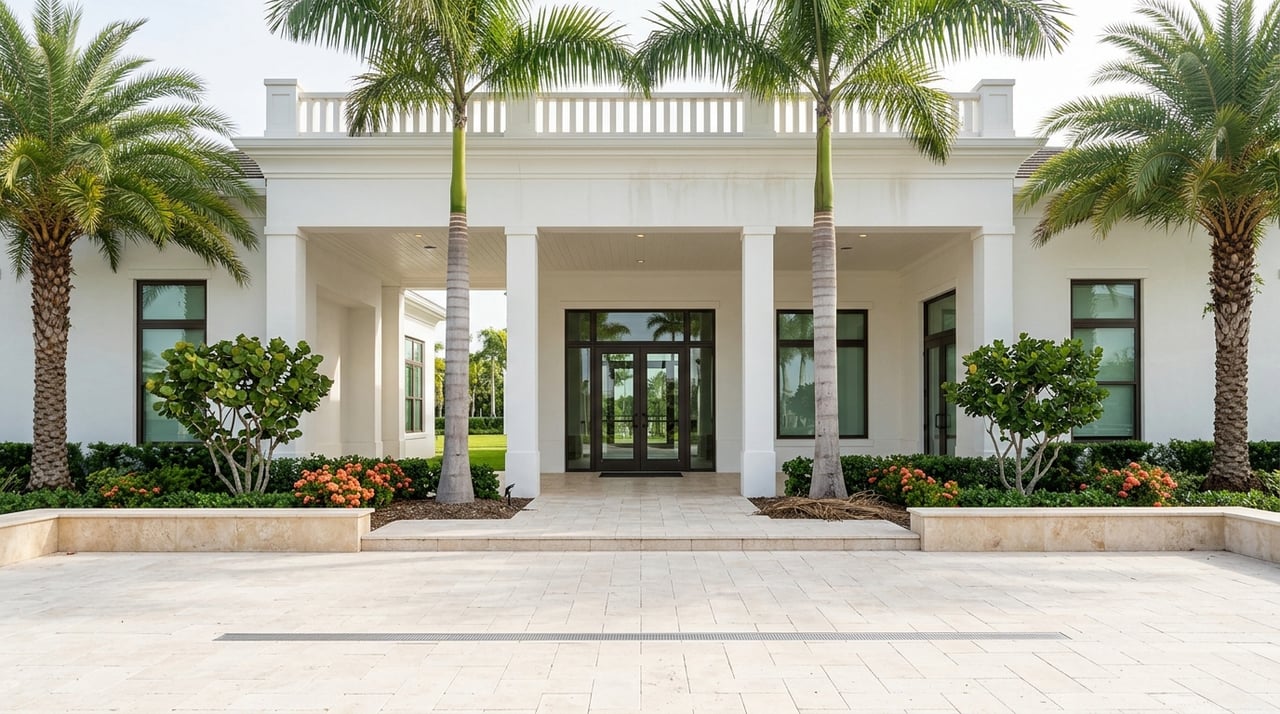
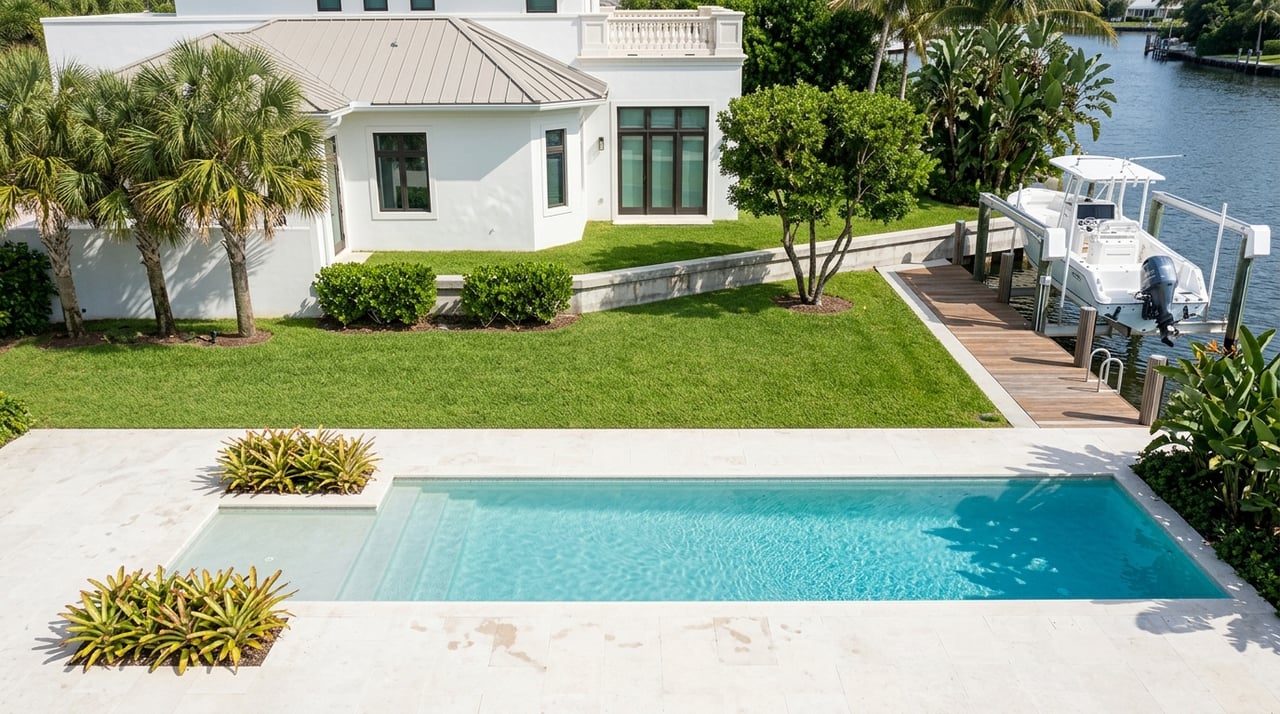
A single-family home on Siesta Key often appeals to buyers who want more privacy, more control, and greater flexibility over the property itself. You may prefer having your own yard, exterior, roofline, or site plan without depending on association decisions for every major exterior issue. That control can be valuable, especially if you want a more customized ownership experience.
The tradeoff is responsibility. With a house, you are usually the one paying for and managing repairs, exterior upkeep, landscaping, insurance, and other property-related costs. You also need to budget for maintenance and improvements over time, rather than sharing many of those expenses through a condominium structure.
On Siesta Key, that conversation is especially important because Sarasota County is susceptible to coastal, riverine, and urban flooding from heavy rains, tropical storms, hurricanes, and storm surge. The county also states that most homeowners insurance does not cover flood damage. Flood insurance typically has a waiting period before it becomes effective, so this is something to review well before you need it.
What to Review for a House
Before you buy a single-family home on Siesta Key, it helps to look closely at a few key factors:
- Flood zone designation
- Elevation of the property
- Current flood insurance costs and future premium risk
- Roof and exterior condition
- Storm-prep needs and post-storm repair exposure
- Whether the home may qualify for Florida homestead benefits if it will be your permanent residence
Flood mapping can have a direct effect on costs. Sarasota County says FEMA issued new flood maps on March 27, 2024, and those maps can affect insurance requirements and premiums. If a property is in a Special Flood Hazard Area and the loan is federally regulated, supervised, or insured, flood insurance may be required.
If you plan to make the home your primary residence, Florida’s homestead exemption may also matter. According to the Florida Department of Revenue, a qualifying homestead can reduce taxable value by as much as $50,000 and may activate the Save Our Homes assessment limitation. For some buyers, that becomes part of the long-term financial picture.
Condo Living on Siesta Key
A condo on Siesta Key is often a strong fit if you want a more lock-and-leave lifestyle. Many buyers like the idea of enjoying the island without taking on every exterior maintenance task personally. In general, condo ownership moves more building-related responsibility to the association.
Under Florida condominium law, the association must use best efforts to maintain adequate property insurance for the association, the common elements, and other property required by statute. When insured condominium property is damaged by an insurable event, the association generally reconstructs, repairs, or replaces it as a common expense. That can reduce your direct maintenance burden compared with owning a house.
Still, condo ownership is not hands-off in every respect. The declaration and governing documents can assign certain insurance or repair responsibilities back to the unit owner. That is why reviewing the condo documents carefully is essential before you move forward.
What to Review for a Condo
If you are considering a condo on Siesta Key, focus on the building as much as the unit itself. Important questions include:
- What do the condominium documents say about owner versus association responsibilities?
- What insurance is carried by the association?
- What are the current dues, reserves, and budget conditions?
- Have there been milestone inspections, and what did they show?
- Is a structural integrity reserve study required, and what does it show?
- Are there signs of future fee increases or special-assessment pressure?
Florida’s current condo-safety rules make this review even more important, especially in older coastal buildings. The Florida Department of Business and Professional Regulation states that residential condominium and cooperative buildings that are three or more habitable stories must have milestone inspections at the statutory age thresholds. The law also requires a structural integrity reserve study for qualifying buildings every 10 years.
For buyers, the practical takeaway is clear. Inspection reports and reserve studies are part of the association’s official records and must be provided to prospective purchasers. That means you often have more documentation to review, but it also gives you a clearer window into the building’s condition and financial planning.
Comparing Monthly Costs and Surprise Costs
One of the biggest differences between Siesta Key single-family homes and condos is how ownership costs show up. A condo often centralizes many shared expenses into one recurring association payment. A house usually spreads those costs across separate bills and future repair needs.
That does not mean one option is always cheaper. It means the structure of the costs is different, and that difference can affect how comfortable ownership feels month to month.
| Ownership Type | Costs Often Paid Directly by You | Costs Often Shared or Centralized |
|---|---|---|
| Single-family home | Roof, exterior repairs, landscaping, insurance, storm prep, maintenance | Limited, unless an HOA applies |
| Condo | Interior obligations defined by documents, unit-specific insurance needs, monthly dues | Common-area upkeep, some building insurance, shared repairs, reserves |
A house can offer more control, but it may also require a larger reserve for repairs and storm-related work. A condo can make budgeting feel more predictable, but buyers still need to understand what the dues cover and whether future building costs could change the monthly picture.
Storm Readiness and Island Access
On Siesta Key, storm planning should be part of your buying decision no matter which property type you choose. Sarasota County states that evacuation notices apply to the designated evacuation level, and access to bridges and barrier islands may be affected as conditions deteriorate. This is a practical issue for full-time residents, second-home owners, and seasonal buyers alike.
For a house, storm readiness often means you are directly managing more of the checklist. That can include exterior prep, property inspections, maintenance timing, and repair coordination after a weather event. For a condo, some of that burden shifts to the association, although your unit-level responsibilities still matter.
If you live elsewhere part of the year, this difference can become even more important. Many second-home buyers prefer the simplicity of having more building oversight handled through the condo framework. Others prefer the autonomy of a house and are comfortable managing those details more directly.
Which Option Fits Your Lifestyle?
The best choice on Siesta Key often comes down to how you plan to use the property. If you want privacy, greater renovation control, and more direct ownership of the site itself, a single-family home may be the better fit. If you want a more streamlined, lock-and-leave experience with less exterior maintenance, a condo may make more sense.
You should also think about how often you will be on the island. A full-time resident may value the flexibility and control of a house more than a seasonal owner would. A second-home buyer may place a higher value on convenience, building support, and centralized upkeep.
A Simple Decision Guide
A single-family home may fit you better if you want:
- More privacy
- More control over renovation and site use
- Direct oversight of repairs and maintenance
- A primary residence that may benefit from homestead eligibility
A condo may fit you better if you want:
- A lock-and-leave property
- Less exterior maintenance
- More building responsibilities handled through an association
- A more centralized monthly cost structure
Why Local Guidance Matters
On Siesta Key, small property details can have a big impact on ownership. Flood zone changes, insurance requirements, reserve funding, and building documentation all shape the real cost and risk of a purchase. The right property is not just the one that looks best today. It is the one that aligns with how you want to live and what responsibilities you want to carry.
That is where experienced local guidance can make the process more focused. When you understand the island’s housing options, flood considerations, and condo review process, you can compare homes and condos on more than appearance alone.
If you are weighing a Siesta Key house against condo living, Debra Lichter can help you evaluate the real differences with the local insight and hands-on guidance that coastal purchases deserve.
FAQs
What is the main difference between a Siesta Key single-family home and a condo?
- A single-family home usually gives you more control and more direct responsibility for maintenance, repairs, insurance planning, and storm readiness, while a condo typically shifts more exterior and common-area responsibilities to the association.
What should you check about flood risk on Siesta Key before buying?
- You should review the property’s flood zone, elevation, current flood insurance expectations, and whether it is in a FEMA Special Flood Hazard Area, since Sarasota County says updated flood maps can affect insurance requirements and premiums.
What condo documents should you review before buying on Siesta Key?
- You should review the declaration, budget, reserve information, association insurance details, milestone inspection records if applicable, and any required structural integrity reserve study.
Can a primary residence on Siesta Key qualify for Florida homestead benefits?
- Yes, if the property qualifies as your permanent residence or the permanent residence of your dependent, Florida’s homestead exemption may reduce taxable value by as much as $50,000 and may activate the Save Our Homes assessment limitation.
Is condo living on Siesta Key always less expensive than owning a house?
- No, not necessarily. Condo costs are often more centralized through dues, while house costs are more directly managed by the owner through separate expenses such as insurance, maintenance, and repairs.
Why does storm planning matter when buying property on Siesta Key?
- Sarasota County notes that evacuation notices apply to the designated evacuation level and that barrier-island access can be affected when conditions deteriorate, so storm readiness is part of practical ownership planning for both houses and condos.