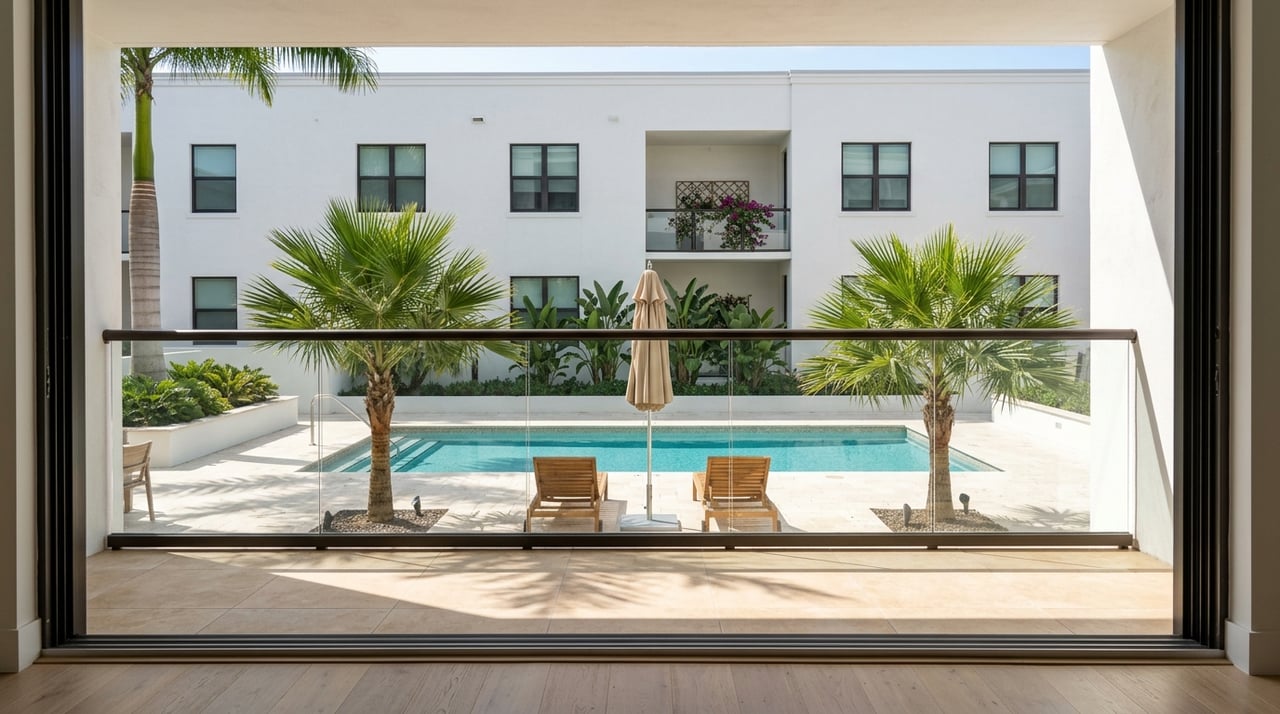
Wondering whether a Lido Key condo is the smart second-home move, or just a beautiful idea on paper? If you are drawn to the ease of beach living, walkable dining, and quick access to downtown Sarasota, a condo here can check a lot of boxes. At the same time, second-home ownership on a barrier island comes with real tradeoffs, especially around condo rules, rental limits, and long-term building costs. Let’s dive in.
Why Lido Key appeals to second-home buyers
Lido Key offers something many second-home buyers want but do not always find: a coastal setting that feels easy to use. You can enjoy the beach, head to dinner, browse shops, or spend time downtown without turning every outing into a full day of planning.
The City of Sarasota describes St. Armands Circle as a short walk from Lido Beach and notes that it includes more than 140 boutiques, restaurants, and galleries. The city also says the Bay Runner connects Lido Beach, St. Armands Circle, and downtown Sarasota. For you, that means a condo on Lido Key can support a simple, low-friction seasonal lifestyle.
South Lido adds even more outdoor appeal. Sarasota County says Ted Sperling Park offers beach access, fishing, picnic areas, playgrounds, an unpaved trail, and wildlife viewing. If your vision of a second home includes both quiet mornings and active afternoons, Lido Key can support that balance.
Sarasota’s broader cultural scene also strengthens the case. The city’s public art programming and recurring downtown arts events add another layer to the lifestyle, so your condo can serve as both a beach retreat and a base for dining, festivals, and arts outings.
What condo ownership really means
A condo can be a strong second-home option if your top priority is convenience. Under Florida condominium law, associations are generally responsible for maintaining common elements, and shared costs can include items like maintenance, repair, insurance, security, and similar building-related services.
That structure is one reason many buyers see a condo as a lock-and-leave property. Instead of managing a roof, exterior walls, landscaping, and other standalone house responsibilities on your own, you are stepping into a more managed ownership model.
That does not mean ownership is hands-off in every way. HOA dues and assessments are still part of the picture, and they can have a meaningful impact on your annual carrying costs. A condo may reduce your day-to-day maintenance burden, but it does not eliminate financial responsibilities.
Lido Key condo tradeoffs to weigh
The biggest benefit of a Lido Key condo is usually ease. The biggest tradeoff is control.
Compared with a detached home, a condo often gives you less privacy, less outdoor space, and less freedom to make independent property decisions. In exchange, you may gain shared amenities, a more manageable lifestyle, and direct access to the island setting many second-home buyers want.
Compared with a downtown or mainland condo, a Lido Key condo typically offers stronger beach access and a more island-centered routine. But that also means greater exposure to coastal conditions and stricter attention to building governance, reserves, and maintenance planning.
Older buildings require closer review
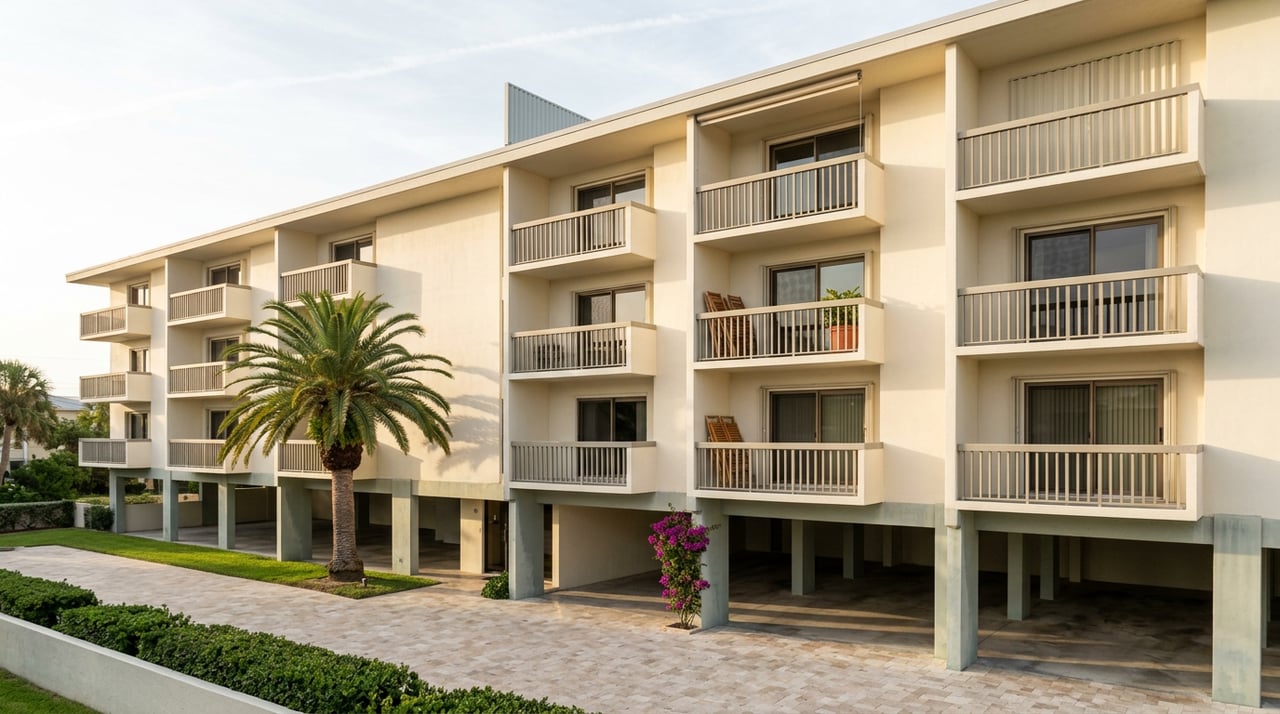
If you are considering an older condominium building on Lido Key, due diligence becomes especially important. Florida requires milestone inspections for residential condominium buildings that are three habitable stories or more at age 30, and then every 10 years after that.
Florida law also requires applicable associations to complete structural integrity reserve studies on a statutory schedule. In practical terms, that means reserve funding, inspection reports, and the possibility of special assessments should be part of your review process before you make an offer.
This is one of the biggest differences between buying a second-home condo and buying a single-family retreat. On Lido Key, the building itself is part of the investment decision, not just the unit and the view.
Rental plans need a reality check
If you hope to rent the condo when you are not using it, be careful not to rely on marketing language alone. Florida condo disclosure rules require restrictions on sale, lease, transfer, or conveyance to be disclosed in the offering materials, which is why the declaration, bylaws, and rules matter so much.
The key takeaway is simple: rental flexibility is property-specific. Two condos on the same island can have very different lease minimums, approval processes, guest policies, or owner-use expectations.
Local regulation also matters. In the City of Sarasota, short-term vacation rentals within city limits must meet a minimum stay of 7 full days and 7 full nights. Sarasota County guidance also says only certain barrier-island properties zoned RMF may be rented short term for less than 30 days.
Because city and county rules can vary by parcel, you should confirm the exact jurisdiction of the property and compare that with the condo association’s own leasing rules. If rental income is part of your plan, this step is essential.
Tax treatment can affect the math
A second home that will be rented even occasionally may come with different tax considerations than a purely personal-use property. Florida law allows state sales and use tax and county transient rental tax to apply to accommodations rented for six months or less, including condominiums.
That can change the economics of ownership more than some buyers expect. If you are evaluating whether the condo should offset costs through seasonal leasing, you will want a clear understanding of how those taxes fit into your numbers.
Property taxes also deserve attention. Sarasota County’s homestead guidance requires Florida permanent residence and occupancy as of January 1, so a vacation-use condo generally will not qualify for homestead exemption unless it becomes your permanent residence.
When a Lido Key condo is the right fit
For many buyers, a Lido Key condo works best as a personal retreat first. If you want a well-located seasonal home with beach access, dining and shopping near St. Armands, and convenient access to downtown Sarasota, this can be a very appealing choice.
It can also be a good fit if you value lower day-to-day upkeep more than yard space or total property control. That is often the sweet spot for snowbirds and second-home buyers who want to arrive, settle in quickly, and enjoy the island lifestyle without managing a standalone house.
A condo may also work for occasional rental use, but only if the governing documents, local rules, and tax obligations align with your goals. In other words, rental potential should be confirmed, not assumed.
When another property type may fit better
A Lido Key condo may be a weaker fit if your plan is income-first investing. If your strategy depends on short stays, frequent turnover, or broad tenant flexibility, local rental rules and condo restrictions may narrow your options more than expected.
You may also want to look beyond condos if privacy, outdoor living space, or full control are top priorities. Buyers who want to shape the property entirely around their preferences often find that a detached home better supports those goals.
The right answer depends on how you plan to use the property most of the time. If you are buying for lifestyle first and rental second, Lido Key can be compelling. If you are buying for flexibility above all else, you may want to compare other property types before moving forward.
What to review before making an offer
Before you commit to a Lido Key condo as a second home, ask for the documents that tell the real story of the building and the ownership experience.
A strong due-diligence list includes:
- The declaration, bylaws, current rules, and all amendments
- The most recent budget and year-end financials
- Reserve information
- Milestone inspection reports and structural integrity reserve study materials, if applicable
- The association’s property insurance coverage and any owner-side insurance obligations
- Lease minimums, pet rules, parking rules, guest policies, and tenant approval requirements
- Confirmation of the property’s exact city or county jurisdiction if rental use is part of your plan
These items can help you understand not just whether you like the condo, but whether the condo supports the way you actually want to live.
A Lido Key condo can be an excellent second home when the lifestyle, governance, and financial structure all line up with your expectations. If you want an experienced local advisor to help you evaluate Lido Key options with care and clarity, Debra Lichter offers the kind of owner-led guidance that can make a complex waterfront purchase feel far more straightforward.
FAQs
Is a Lido Key condo a good second home for seasonal living?
- Yes, it can be a strong fit if you want beach access, nearby dining and shopping, downtown Sarasota access, and a more manageable lock-and-leave ownership style.
What should I review before buying a Lido Key condo?
- You should review the declaration, bylaws, rules, amendments, budget, financials, reserve information, inspection materials, insurance details, and any lease, parking, pet, or guest restrictions.
Can you short-term rent a condo on Lido Key?
- It depends on the specific property, its jurisdiction, and the condo association’s rules. In the City of Sarasota, short-term vacation rentals within city limits must meet a minimum stay of 7 full days and 7 full nights.
Do second-home buyers get homestead exemption on a Lido Key condo?
- Generally, a vacation-use condo does not qualify unless it becomes your Florida permanent residence and you meet Sarasota County’s homestead requirements.
Are condo fees and assessments important on Lido Key?
- Yes, they are a major part of the decision because condo ownership includes shared expenses, and older buildings may also face reserve requirements, inspections, and possible special assessments.