If you could trade daily traffic for sunsets on the bay and strolls to dinner, would you do it? In downtown Sarasota condos, many residents already live that way. If you want a car-light or even car-optional lifestyle, you can get close in the core along Main Street, Palm Avenue and the bayfront. In this guide, you will see what life looks like on foot and by bike, where transit fits in, the condo features that make it work, and when you will still want wheels. Let’s dive in.
Why car-light works downtown
Downtown Sarasota is compact, active and linked to the waterfront. Cafes, restaurants, galleries and small markets cluster within a few blocks of many condo buildings. That is why a central Main Street sample address earns a Walk Score of “Walker’s Paradise (98/100),” which means “daily errands do not require a car” for many residents. You can see the snapshot for a representative location on Main Street in Walk Score’s listing.
The same snapshot shows moderate transit access and a solid bike score. That lines up with what you feel on the ground. You can walk to meals, art and the bayfront, then use a bus, bike or rideshare to fill the gaps. For most buyers, the result is fewer car trips and more time where you actually want to be.
Walk to arts, bay and daily stops
Cultural anchors near home
Culture is part of everyday life here. The bayfront hosts the Van Wezel Performing Arts Hall, and the Sarasota Opera House sits in the heart of downtown. From many condo clusters near the water and Main Street, you can reach performances on foot. That turns a planned drive into an easy evening out.
Bayfront as your backyard
Bayfront Park and the Marina Jack area give you waterfront walking, events and dining right in the neighborhood. You can meet friends for a dockside lunch, take a sunset stroll, or watch fireworks without getting in the car. The city’s event calendar shows recurring bayfront happenings, which bring energy to the area and occasional traffic surges.
Everyday places that matter
Small errands and fresh air can go together downtown. The Marie Selby Botanical Gardens has a downtown campus many residents treat like a neighborhood park. Banks, coffee spots and lunch choices dot Main and nearby streets. A quick grocery top-up on the way home replaces the classic “hop in the car” routine for many buyers.
Transit, bikes and travel connections
Buses for short hops
Several fixed bus routes serve the downtown core. That coverage can help with mid-range trips and weekday commutes if your schedule lines up with nearby routes. Frequency and hours vary by line, as reflected in Walk Score’s transit overview for Main Street. Many residents pair transit with rideshare or occasional car use for maximum flexibility.
Legacy Trail access for cyclists
The Legacy Trail, an 18.5-mile multiuse rail-trail, has been extended north toward downtown, creating a more direct bike connection into the city center. That makes errands, fitness rides and car-free trips to outlying destinations more practical. Learn more about the trail’s reach and history in the Legacy Trail overview.
Airport convenience when you need it
You can live car-light and still travel with ease. Sarasota–Bradenton International Airport (SRQ) is the local commercial airport and a short drive from downtown. For flight schedules and services, visit the SRQ official site.
Rideshare and micromobility
Rideshare fills the gap for grocery runs, airport trips or late-night returns. Shared scooters and similar devices can change with permitting and operators. If these options matter to you, check operator apps and city updates before you decide.
Condo features that make it easier
Look for building features that cut car trips and simplify daily life. Verify each item with the HOA or on-site management since amenities vary by property.
- Proximity to essentials. A market or supermarket within a block can replace many quick car errands.
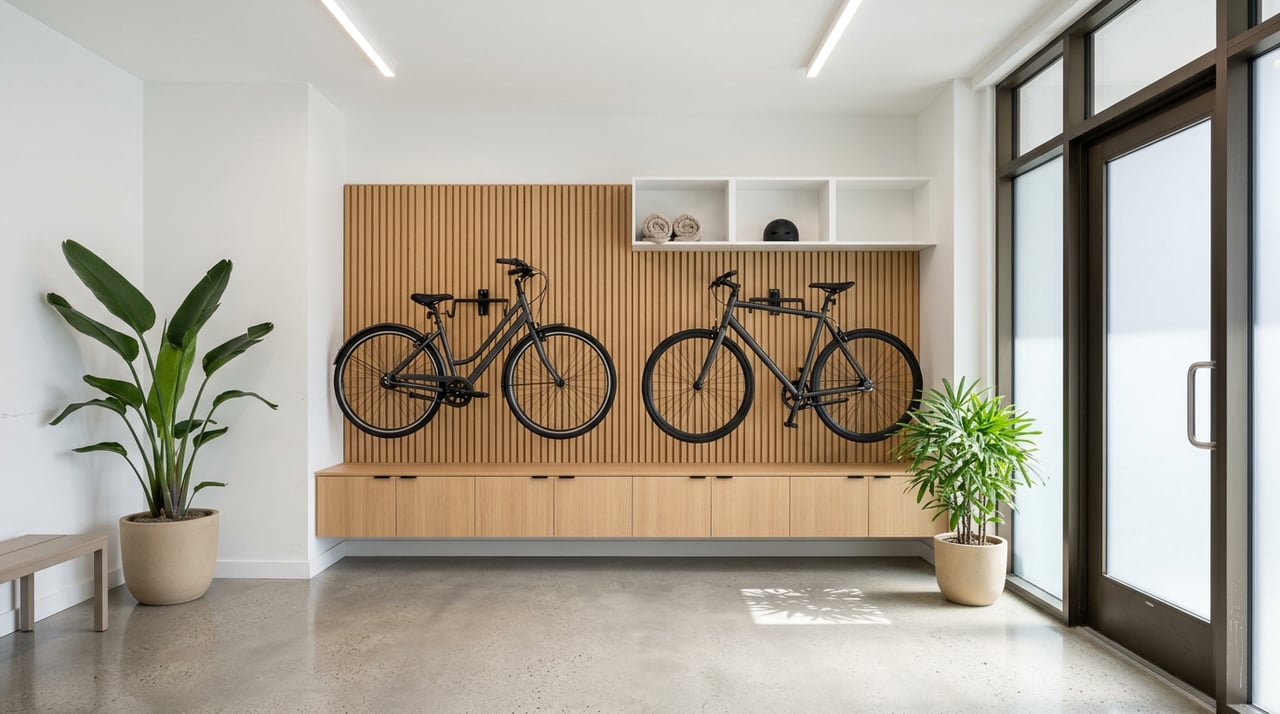
- Bike storage and access. Secure indoor racks and an easy path to the street or the Legacy Trail encourage daily riding.
- Package rooms and concierge. Controlled package rooms and staffed desks reduce delivery stress and save you from on-call drop-offs.
- Guest parking and short-term loading. Visitor spaces, brief loading allowances or valet support during events make hosting easier. Large venues such as Van Wezel note valet and garage options for busy nights, which helps when you or your guests prefer not to drive far for parking. See the Van Wezel visitor FAQs for context.
- On-site EV charging. Adoption varies, especially in older buildings. If you plan to go electric, confirm charger availability and policies.
Sample daily routines to test the fit
These simple scenarios show how a car-light week can work downtown. Test them against your own schedule to see if the location aligns.
A downtown workday
Walk 5 to 12 minutes to coffee, then head to a nearby office or workspace. Grab lunch on Main Street and run a small errand before returning home. Most downtown tasks fall within a 5 to 15 minute walk for central addresses, as the Walk Score snapshot suggests.
A culture-first weekend
Spend the afternoon at Selby Gardens, then catch a performance at Van Wezel or the Opera House. Finish with dinner by the water and a bayfront stroll. All of this is often walkable from many condo clusters near the core and bay.
Car-optional errands
Use rideshare for a bulk grocery run or airport drop-off. If you keep a vehicle, store it for occasional use rather than daily driving. Treat walking, biking and transit as your defaults, with the car as your backup plan.
Local realities to plan for
Events and peak season
Large bayfront events boost vibrancy and also increase traffic and parking demand. For example, July 4 fireworks can draw significant crowds to the waterfront. You can browse the city’s event calendar to anticipate busy days and plan your routes.
Transit frequency and coverage
Routes exist near the core, but not every schedule matches every commute. If your job site is off the fixed-route grid, transit may not fully replace a car. Many residents rely on a blend of walking, biking, transit and rideshare to keep flexibility high.
Building-by-building differences
Downtown condos vary in amenity sets and parking rules. Bike rooms, EV chargers and concierge services are not universal. Always verify current features and policies with the building before you commit.
Weather and seasonality
Florida heat and humidity can make mid-day walking or biking less comfortable in summer. Many residents adjust timing, choose shaded routes and rely on transit or rideshare during the hottest hours.
How to choose the right address
Use this simple process to find a condo that supports your lifestyle.
Map your daily 15 minutes. List the places you visit most and see which downtown clusters put them within a 15 minute walk or ride.
Check the exact Walk Score. Review the specific building address to confirm the walk, transit and bike scores for your daily needs. Start with this Main Street example to calibrate your expectations.
Verify building features. Confirm bike storage, package rooms, EV charging and guest/loading policies with the HOA or management.
Test-run your routine. Walk to dinner at peak time. Bike to your favorite coffee. Try a bus route during your commute window. See how it feels.
Plan your car strategy. Decide whether you will keep a vehicle on site, use rideshare on demand, or pair car-light living with an occasional rental.
Your next step
Downtown Sarasota condos can credibly support a car-light lifestyle for many buyers. You get walkable access to restaurants, arts and the bay, stronger bike links via the Legacy Trail, and a realistic mix of transit and rideshare for the rest. The key is choosing the right building and block, then verifying the amenities and policies that matter to you.
If you want a seasoned, boutique advisor to help you compare downtown options and confirm the details that make car-light living work, schedule a Private Consultation with Debra Lichter.
FAQs
Is a car necessary for daily life in downtown Sarasota?
- Many daily errands can be done on foot from central downtown addresses, as shown by a Main Street Walk Score rated “Walker’s Paradise (98/100),” though occasional car access still helps for larger trips.
Which parts of downtown Sarasota are most walkable for condos?
- The Main Street, Palm Avenue and bayfront area offer the strongest cluster of dining, arts and waterfront access within short walks from many buildings.
How does the Legacy Trail help downtown Sarasota residents?
- The Legacy Trail’s extension toward downtown improves bike and multiuse access into the city center, making errands and fitness rides more practical without a car.
What condo amenities support a car-light lifestyle in Sarasota?
- Proximity to a market, secure bike storage, package rooms or concierge, guest/loading options and EV charging reduce the need for frequent car trips.
How do events affect car-light living in downtown Sarasota?
- Large bayfront events increase traffic and parking demand for short windows of time, so planning around the city’s event calendar keeps your routine smooth.
How close is Sarasota–Bradenton International Airport (SRQ) to downtown?
- SRQ is the local commercial airport and a short drive from the downtown core, which makes regional and business travel convenient even if you live car-light.